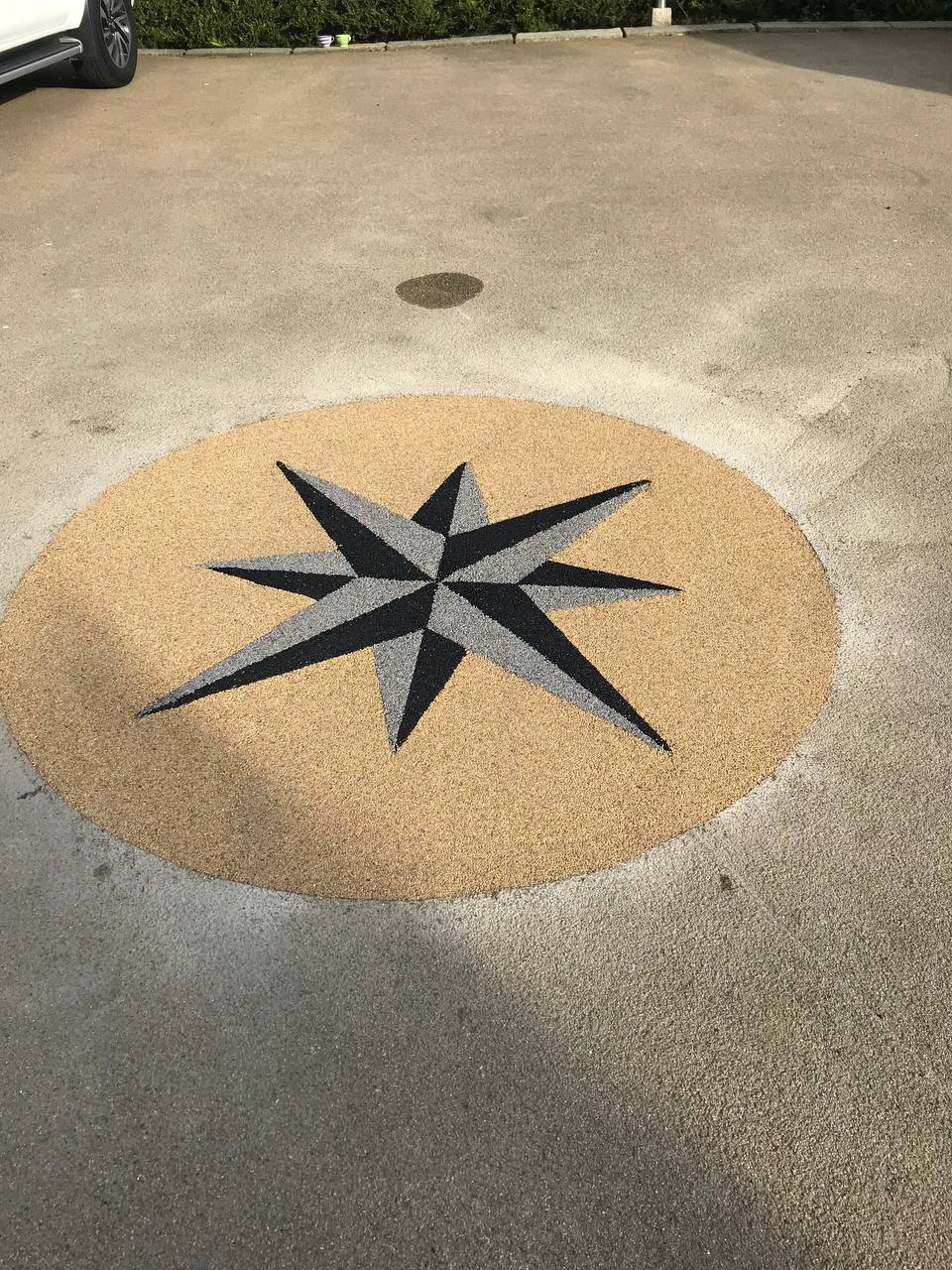
A residential driveway has a significant influence on how a property functions every day. It needs to provide reliable vehicle access and practical parking while also forming a prominent part of the property’s exterior. For homeowners who want to combine everyday performance with greater flexibility over appearance, block paving remains a popular driveway surface.
For properties in Warrington, Cheshire, block paving can be designed around different driveway sizes, layouts and styles. Individual paving blocks are installed in a carefully prepared formation, allowing colours, patterns, borders and detailing to be incorporated where appropriate. However, the quality of the finished driveway depends on much more than the blocks themselves. Ground preparation, drainage, edge restraints and accurate installation all contribute to long-term performance.
Why Homeowners Continue to Choose Block Paving Driveways
Block paving offers a combination of practicality and design flexibility that makes it particularly well suited to residential settings. Unlike a continuous surface, it is constructed from individual units arranged across a prepared base.
This creates opportunities to customise the appearance while still producing a strong, usable driveway when the complete construction is properly installed.
Block Paving Creates a Smart, Defined Appearance
One of the main attractions of block paving is its distinctive appearance.
Individual blocks create visible lines and patterns across the driveway, producing a more detailed finish than many continuous surfacing materials.
This can be particularly effective where the driveway forms a prominent part of the front of the property.
Rather than looking purely functional, a carefully designed block paved driveway can become an integrated part of the overall exterior.
Homeowners Have Considerable Design Flexibility
Not every property suits exactly the same driveway design.
Block paving provides flexibility because the blocks can be arranged in different patterns and layouts. Borders and contrasting details can also be incorporated where they contribute positively to the design.
The objective does not need to be an elaborate driveway.
A simple, well-proportioned design can often produce a particularly effective result. The flexibility of block paving allows the finished surface to reflect the property rather than forcing every installation into an identical appearance.
Borders Can Add Definition
Borders can play both a visual and practical role within a block paved driveway.
A carefully selected border can define the outer edges, distinguish different sections and provide a transition between the driveway and surrounding garden features.
Borders can also be used to highlight particular areas without making the overall design unnecessarily complicated.
Good driveway design considers these details before installation so that they form part of the complete layout rather than appearing to have been added afterwards.
Block Paving Can Suit Different Driveway Shapes
Residential driveways are rarely identical.
Some are relatively narrow and straightforward, while others widen towards the property or contain areas used for turning and additional parking.
Because block paving consists of individual units, the installation can be adapted to accommodate many different shapes.
This makes it useful where a driveway needs to respond carefully to property boundaries, paths, lawns, planting or other established features.
The Layout Can Be Planned Around Vehicle Movements
An attractive driveway still needs to function effectively.
Before installation, consideration should be given to how vehicles enter the property, where they normally park and whether space is required for turning.
The driveway can then be designed around these everyday movements.
This helps avoid creating awkward sections that look attractive but are inconvenient to use. Professional driveway planning combines the visual layout with the practical requirements of the household.
Proper Ground Preparation Is Essential
The blocks are the most visible part of a driveway, but they are not solely responsible for its performance.
What happens beneath them is extremely important.
The existing area needs to be prepared appropriately so that the finished paving has dependable support. If the underlying construction is inadequate, movement can eventually become visible at the surface.
A professionally installed block paved driveway therefore begins with suitable groundwork rather than simply arranging new blocks over an existing area.
A Stable Sub-Base Supports the Driveway
Regular vehicle movements place repeated demands on a driveway.
The supporting construction needs to distribute these loads appropriately and provide a stable foundation for the paving above.
Weak or inconsistent support can contribute to settlement and uneven areas.
Correct sub-base preparation is consequently one of the most important parts of block paving installation, even though homeowners will never see it once the driveway has been completed.
Edge Restraints Help Maintain the Paving
The perimeter of a block paved driveway requires careful attention.
Because the surface consists of individual units, appropriate edge restraints help contain the paving and maintain the intended arrangement.
Without suitable support around the boundaries, movement can become more likely.
Professional installation therefore considers the driveway as a complete system in which the edges, supporting construction and blocks all work together.
Block Paving Can Cope With Regular Residential Use
When correctly designed and installed, block paving is well suited to the everyday demands of a residential driveway.
Vehicles may repeatedly travel across the same areas, turn in similar positions and remain parked for extended periods.
The complete construction needs to accommodate this regular use.
Choosing suitable materials is important, but workmanship and preparation are equally significant in creating a driveway capable of performing reliably.
Individual Blocks Can Sometimes Be Lifted
One useful characteristic of block paving is that the surface consists of separate paving units.
If a localised area requires attention, individual blocks can sometimes be lifted to access the section beneath them. Where the blocks remain serviceable, they may potentially be reinstated as part of appropriate repair work.
This differs from surfaces where accessing a small area requires cutting through a continuous layer.
The suitability of any localised repair will depend on what has caused the problem and the condition of the surrounding driveway.
Localised Settlement Can Be Addressed Appropriately
An uneven section does not automatically mean the entire block paved driveway has failed.
If settlement is confined to a defined area, the affected blocks can be lifted so the underlying problem can be assessed.
The supporting materials may then require correction before the blocks are reinstated.
Simply adding material on top or attempting to disguise the unevenness does not address the cause. The objective should be to restore appropriate support beneath the affected paving.
Damaged Blocks Can Often Be Replaced Individually
Individual paving units can occasionally become damaged while the surrounding driveway remains in good condition.
One advantage of block paving is that a localised damaged unit can potentially be replaced without disturbing the entire surface.
Care needs to be taken to ensure the replacement is appropriately integrated with the surrounding paving.
This repairability can help keep an otherwise serviceable driveway looking consistent.
Drainage Should Be Considered From the Beginning
Water management is an important part of any driveway project.
The finished surface needs appropriate levels and drainage arrangements according to the characteristics of the site. Water should not simply be allowed to collect in unintended low areas.
Drainage should therefore be considered during the design and groundwork stages.
Trying to correct poor levels after the complete driveway has been installed can be considerably more disruptive than planning them properly from the outset.
Standing Water Can Indicate a Problem With Levels
If puddles repeatedly develop in particular sections of an existing block paved driveway, it is worth investigating why.
The affected area may have settled, or the surface levels may no longer direct water as intended.
Occasional temporary surface water during heavy rainfall is different from persistent pooling in the same depression.
Where settlement and standing water appear together, assessing the supporting construction can help determine an appropriate solution.
Block Paving Can Work Alongside Paths and Garden Areas
A driveway is rarely the only feature at the front of a property.
Paths, lawns, planting areas and entrances all need to relate to one another.
Block paving can provide clearly defined transitions between these different spaces. Borders or changes in layout can help distinguish vehicle areas from pedestrian routes where appropriate.
Planning these relationships carefully can make the complete frontage feel more organised.
It Can Be Used to Create a Clearer Parking Area
Some older property frontages develop gradually without a clearly defined parking layout.
Vehicles may be parked across a mixture of surfaces, making the space feel inconsistent.
A new block paved driveway can establish a clear, dedicated vehicle area.
The dimensions can be planned around the available frontage and intended use so that the finished driveway provides practical parking without unnecessary hard surfacing.
Block Paving Offers a Timeless Appearance
Driveway design trends change, but block paving has remained popular because it can be kept relatively simple.
A restrained pattern with carefully selected detailing can provide a finish that does not depend heavily on short-lived decorative trends.
The quality of installation often contributes more to the finished appearance than creating an unnecessarily complex pattern.
Straight lines, consistent levels and carefully formed edges can make a significant difference.
Routine Maintenance Helps Preserve the Appearance
Like any outdoor surface, block paving is exposed to weather, everyday dirt and organic material.
Routine maintenance helps keep the surface presentable and provides an opportunity to notice developing problems.
Homeowners can periodically check for movement, damaged blocks, changes in levels and deterioration around edges.
Identifying a localised problem early can make it easier to determine why it has developed before surrounding areas are affected.
Weeds Do Not Necessarily Mean the Blocks Have Failed
Vegetation can occasionally appear within joints, particularly where organic material has accumulated at the surface.
This should not automatically be interpreted as evidence that the complete driveway is structurally defective.
The condition of the blocks, joints, levels and supporting construction should be considered separately.
Appropriate maintenance can help keep joints and the overall surface in better condition.
Installation Quality Has a Major Influence on the Result
A newly installed driveway may look impressive immediately after completion, but its long-term performance depends on the quality of the complete construction.
Ground preparation, sub-base installation, levels, drainage, edge restraints and accurate block laying all matter.
Problems in these areas may not become obvious immediately.
This is why professional block paving installation focuses just as much on what sits beneath the surface as on the visible pattern above it.
A Professional Assessment Helps Determine the Best Layout
Every property has different requirements.
The size and shape of the available space, existing ground conditions, drainage, access and normal vehicle movements should all be considered before a block paving project begins.
At Warrington Resin Solutions, we assess driveway requirements in Warrington, Cheshire before determining an appropriate installation approach.
This allows the layout and construction to be planned around the property and its everyday use rather than applying exactly the same design to every driveway.
Conclusion
Block paving remains a popular choice for residential driveways because it combines practical performance with considerable flexibility over appearance. Individual paving units can be arranged to suit different driveway shapes, borders can provide additional definition, and localised areas can often be accessed without unnecessarily disturbing the complete surface.
However, the blocks themselves are only part of a successful driveway. Proper ground preparation, a stable supporting construction, effective edge restraints, suitable levels and careful drainage planning all contribute to the finished result.
If you are considering a block paved driveway in Warrington, Cheshire, contact Warrington Resin Solutions. We can assess the available area and recommend an appropriate driveway solution based on the property’s layout, ground conditions and everyday requirements.
Call us on: 01925 986798
Click here to find out more about Warrington Resin Solutions
Click here to complete our contact form and see how we can help with your driveways.